Top Reasons Why Fat Soluble Vitamins Need Dietary Fat?

Time:2026-10-05 Author:Isabella
0%

Fat-soluble vitamins need dietary fat for a practical biological reason: they do not dissolve well in water. Vitamins A, D, E, and K travel through digestion alongside dietary lipids. Bile and pancreatic enzymes then help form tiny structures called micelles. These structures carry vitamins toward the intestinal wall for absorption.

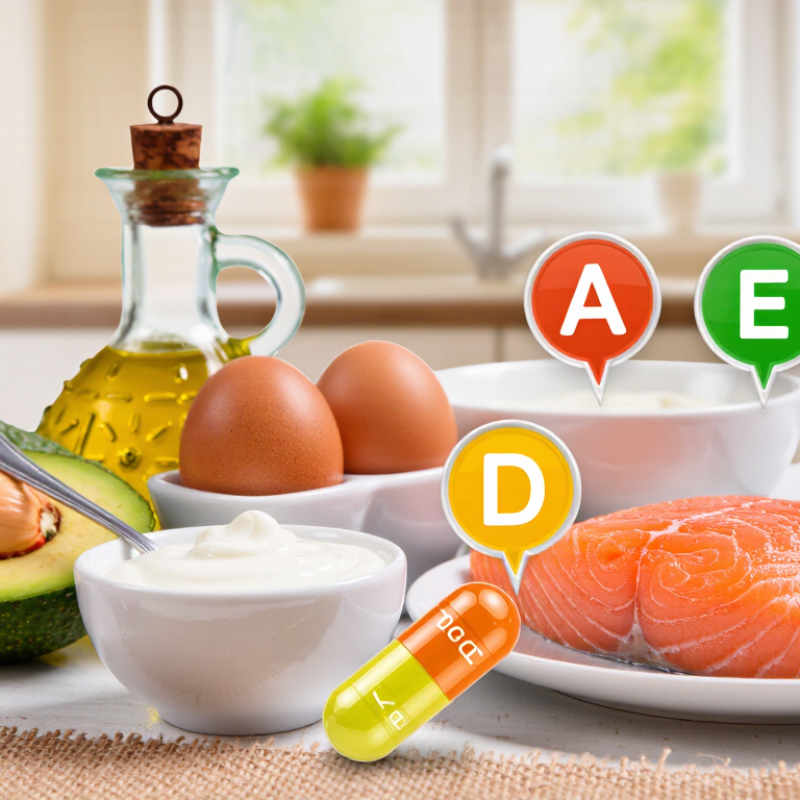
So, why do fat soluble vitamins need dietary fat? A meal containing eggs, avocado, olive oil, salmon, or yogurt can support this process. Research also suggests that vitamin D absorption may improve when supplements are taken with a meal containing fat. Dr. Michael Holick, a leading vitamin D researcher, has advised, “Take your vitamin D with the largest meal of the day.” His practical message reflects how meal timing and food composition can influence absorption. However, “more fat” does not automatically mean “better absorption.” That assumption needs reconsideration.

The quality and amount of fat matter less than including a reasonable source with the meal. A spoonful of olive oil on vegetables may be enough to change the digestive setting. Very low-fat meals can make absorption less efficient, especially for supplements. Individual responses still vary. Digestive disorders, bile flow problems, certain medicines, and supplement doses can alter the outcome. This is where simplified online advice becomes incomplete. A balanced diet usually provides useful fat without requiring extreme choices. Anyone using high-dose supplements should seek advice from a qualified healthcare professional, because fat-soluble vitamins can accumulate in the body.
Top Reasons Why Fat Soluble Vitamins Need Dietary Fat?

What Are Fat-Soluble Vitamins and Why Are They Different?

Fat-soluble vitamins are nutrients that dissolve in fat rather than water. The main examples are vitamins A, D, E, and K. Their chemical structure gives them a different path through digestion. After a meal, bile helps break dietary fat into tiny droplets. These droplets support the formation of micelles, which carry the vitamins toward the intestinal lining. The vitamins then enter the body with absorbed fats.

This process explains why a completely fat-free meal may reduce absorption. A small amount of dietary fat can help, such as olive oil on vegetables, eggs, nuts, seeds, or avocado. High-fat eating is not required. That assumption is too simple. The type of fat, the meal’s size, digestive health, and individual needs may also matter. A practical example is roasted carrots with a little oil, which may support vitamin A absorption better than plain carrots alone.

Water-soluble vitamins usually leave the body more quickly through urine. Fat-soluble vitamins can be stored in the liver and body tissues. This storage is useful during periods of lower intake, but it also means excessive supplements may accumulate. Vitamin D, for example, should not be treated as harmless simply because it is popular. Food, health history, medicines, and laboratory results can change the right approach. Nutrition advice is rarely perfect in isolation. Many people focus on adding fat but overlook whether they are absorbing nutrients normally. Persistent digestive symptoms deserve professional evaluation.

How Dietary Fat Supports Vitamin Digestion and Micelle Formation

Fat-soluble vitamins A, D, E, and K travel with dietary lipids during digestion. They do not dissolve easily in water. Inside the small intestine, bile salts break large fat droplets into smaller particles. Pancreatic enzymes then release fatty acids and monoglycerides. These products help build mixed micelles. Micelles transport them.

A micelle can carry vitamin molecules through the watery intestinal contents. It brings them close to the brush border of an enterocyte, the intestine’s absorptive cell. The vitamins then enter the cell and join lipid packages called chylomicrons. Those packages move through lymph before reaching the bloodstream. A meal with a modest amount of fat can support this process. An egg, yogurt, nuts, or a spoonful of oil may provide that context. Not excessive fat.

The amount and form of fat still matter. Severe fat malabsorption can reduce vitamin uptake, even when the diet contains enough vitamins. Digestive disorders, pancreatic problems, or bile flow changes deserve professional assessment. Taking large doses without guidance is not automatically safer. Vitamins A and D, in particular, can accumulate to harmful levels. The science is clear, but real meals are less tidy. Fat content, fiber, digestion, and individual health can shift absorption from one person to another. That uncertainty deserves attention, not guesswork.

How Micelles Carry Vitamins Across the Intestinal Wall

Top Reasons Why Fat Soluble Vitamins Need Dietary Fat?

Fat-soluble vitamins A, D, E, and K do not mix well with water. A meal containing fat helps disperse these vitamins inside the small intestine. Bile salts, released after eating, break large fat droplets into smaller particles. Pancreatic enzymes then help release the vitamins from food.

These ingredients form tiny structures called mixed micelles. Think of them as microscopic carriers with a water-friendly outer surface. Their inner region holds fat and fat-soluble vitamins. Micelles move through the watery intestinal contents and approach the brush border of intestinal cells. The vitamins then leave the micelles and enter the cells. The micelles themselves usually are not absorbed as complete units.

Inside the intestinal cells, vitamins join newly processed lipids. These lipids are packaged into chylomicrons and transported through the lymphatic system before reaching the bloodstream. The process is efficient, but not perfect. Absorption can vary with meal composition, digestive health, and bile flow. A very low-fat meal may reduce uptake, although more fat is not automatically better. This point is easy to overlook. Clinical nutrition guidance therefore emphasizes balanced meals rather than excessive fat. People with persistent digestive symptoms or diagnosed malabsorption may need professional assessment, because vitamin levels can fall even when their diet appears adequate.

Why Dietary Fat Helps Fat-Soluble Vitamins Cross the Intestinal Wall

Vitamins A, D, E, and K are fat-soluble compounds. During digestion, dietary fat stimulates bile release and forms mixed micelles with bile salts. These micelles keep the vitamins dispersed in the watery intestinal environment and transport them to the intestinal surface, where they can enter enterocytes.

Why Bile and Pancreatic Enzymes Matter for Vitamin Absorption

Fat-soluble vitamins A, D, E, and K travel with dietary lipids. Their absorption depends on more than simply swallowing a capsule. Bile acids, released from the liver and stored in the gallbladder, break large fat droplets into smaller particles. Pancreatic lipase then digests triglycerides into fatty acids and monoglycerides. These products join bile salts to form micelles, tiny transport structures that deliver vitamins toward intestinal cells.

This process becomes visible in clinical nutrition. A study in the Journal of Bone and Mineral Research found that taking vitamin D with the largest daily meal increased serum vitamin D levels by approximately 50% compared with the original routine (Mulligan and Licata, 2010). Another trial reported about 32% higher vitamin D absorption when consumed with fat (Dawson-Hughes et al., 2015). The NIH Office of Dietary Supplements lists 600 IU, or 15 micrograms, as the adult vitamin D daily recommendation. Yet reaching that intake does not guarantee effective absorption.

The obstacle may be bile flow or pancreatic enzyme activity. Conditions affecting the gallbladder, pancreas, or small intestine can reduce micelle formation. Persistent diarrhea may also carry vitamins away before absorption. A low-fat diet is not automatically harmful, but extremely restricted fat intake can complicate vitamin uptake. The details are less tidy than many supplement labels suggest. Food composition, digestive health, dose, and timing all matter. Consult a qualified clinician when deficiency symptoms or malabsorption are suspected.

How Low-Fat Diets Affect Vitamin Storage and Availability

Fat-soluble vitamins need dietary fat because fat helps the intestine absorb them. Vitamins A, D, E, and K travel with dietary lipids during digestion. Bile then helps form tiny particles that carry these vitamins through the intestinal wall. A meal containing eggs, avocado, seeds, or olive oil can support this process.

Very low-fat diets may reduce vitamin absorption, especially when meals contain almost no fat. The effect is not always dramatic, and individual digestion differs. Still, poor absorption can gradually lower vitamin availability. The body stores these vitamins in the liver and fatty tissues, unlike water-soluble vitamins. This storage offers protection between meals, but it creates another concern: excess intake can accumulate. More is not automatically better.

The real issue is balance. A low-fat diet with adequate unsaturated fat may support absorption better than a completely fat-free pattern. For example, roasted vegetables with a small amount of oil may provide a more useful meal than the same vegetables alone. People with digestive disorders, bile-flow problems, or long-term restrictive diets may face greater risks. Blood tests and professional guidance can clarify individual needs. I once viewed low-fat eating as a simple choice, but the biology is less tidy. Calories, food quality, digestion, and vitamin form all matter.

FAQS

Which vitamins depend on dietary fat for absorption?

Vitamins A, D, E, and K are fat-soluble. They do not mix easily with water. A meal with moderate fat can support their movement through the intestine.

What are micelles?

Micelles are tiny transport structures formed from bile salts, fats, and vitamin-related compounds. Their outer surface interacts with water. Their inner area carries fat-soluble vitamins.

How do micelles move vitamins toward intestinal cells?

Micelles travel through watery intestinal contents toward the intestinal brush border. The vitamins then leave the micelles and enter intestinal cells. The complete micelles usually are not absorbed.

Why are bile salts important?

Bile salts break large fat droplets into smaller particles. This creates better conditions for vitamin release and micelle formation. Bile comes from the liver and is stored in the gallbladder.

What do pancreatic enzymes contribute?

Pancreatic lipase breaks triglycerides into fatty acids and monoglycerides. These products join bile salts and help form micelles. Without enough enzyme activity, absorption may become less effective.

Does eating more fat always improve vitamin absorption?

No. A very low-fat meal may reduce uptake, but excessive fat is not automatically better. The meal’s overall composition matters. That shortcut fails.

What happens after vitamins enter intestinal cells?

The vitamins join newly processed lipids inside the cells. These lipids are packaged into chylomicrons. They travel through the lymphatic system before reaching the bloodstream.

What conditions may reduce absorption of fat-soluble vitamins?

Problems involving bile flow, pancreatic function, or the small intestine can reduce micelle formation. Persistent diarrhea may also move vitamins away before absorption. The process is efficient, but not perfect.

Can a suitable vitamin intake guarantee good absorption?

No. Reaching a recommended intake does not guarantee effective absorption. Meal composition, digestive health, dose, and timing can all influence results. The details are less tidy than they appear.

Conclusion

Fat-soluble vitamins, including vitamins A, D, E, and K, differ from water-soluble vitamins because they dissolve in fat and can be stored in the liver and body tissues. This explains why do fat soluble vitamins need dietary fat: dietary fat helps these vitamins mix with digestive fluids and form tiny structures called micelles. Micelles make the vitamins easier to transport through the watery contents of the intestine and deliver them to the intestinal wall for absorption.

Bile released by the liver helps break dietary fat into smaller droplets, while pancreatic enzymes support fat digestion and create the conditions needed for effective vitamin absorption. After crossing the intestinal wall, these vitamins can enter circulation and be stored for later use. However, consistently eating too little fat may reduce micelle formation, limit absorption, and decrease the availability of these nutrients. A balanced diet containing appropriate amounts of healthy fat therefore supports the digestion, absorption, and proper storage of fat-soluble vitamins.

Isabella

Isabella

Isabella is a dedicated marketing professional with a sharp focus on driving brand growth and engagement through strategic content creation. With an extensive background in digital marketing, she combines her passion for storytelling with her keen understanding of industry trends to deliver......