Vitamins often look harmless: small tablets, bright labels, and familiar promises about energy or immunity. Yet “natural” does not automatically mean safe or necessary. A supplement can interact with prescription medicine, duplicate nutrients in a multivitamin, or cause problems when taken in excessive amounts.
So, what are common mistakes when taking vitamins? Many people skip the serving instructions, take several products with overlapping ingredients, or swallow fat-soluble vitamins without considering long-term buildup. Others follow advice from social media instead of checking guidance from a pharmacist, doctor, or reliable source such as the NIH Office of Dietary Supplements. Labels can be confusing. Even careful readers sometimes miss the difference between one capsule and one daily serving.
Small habits matter.
This guide explores seven practical mistakes and safer alternatives. It explains why timing, dosage, storage, and product quality deserve attention. For example, taking an iron supplement with coffee may reduce absorption, while taking certain vitamins with food may improve tolerance. These details are easy to overlook.
The advice is not a substitute for individualized medical care. Pregnancy, kidney disease, liver conditions, allergies, and prescription medicines can change what is appropriate. I might assume a routine is harmless, then discover that two products contain the same nutrient. That possibility deserves a second look. Before changing a supplement routine, compare labels and ask a qualified healthcare professional for guidance.
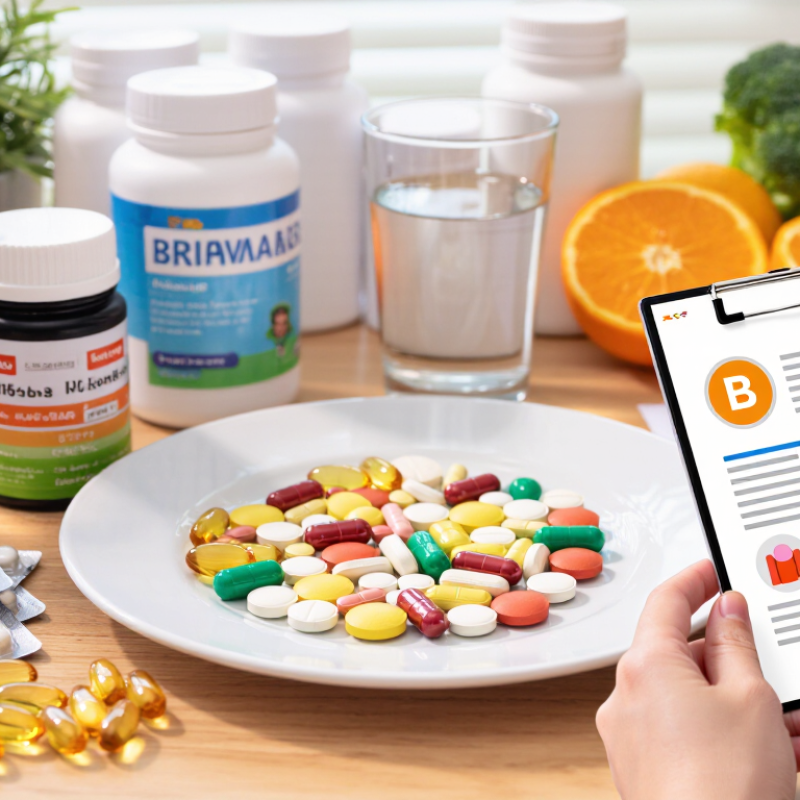
7 Tips to Avoid Common Mistakes When Taking Vitamins
Understanding Why Vitamin Use Requires Care
Vitamins are not automatically harmless because they come in small tablets. The NCHS Data Brief No. 399 reported that 58.5% of U.S. adults used dietary supplements during 2017–March 2020. That number reflects popularity, not personal need. A healthcare professional can review your diet, medications, pregnancy status, and test results before suggesting supplements.
Read the label carefully. Check serving size, duplicate ingredients, and the tolerable upper intake level listed by the NIH Office of Dietary Supplements. Fat-soluble vitamins A, D, E, and K can accumulate in the body. More is not always better. Take products as directed, avoid stacking several multivitamins, and keep them away from children. Some supplements can affect blood thinners or interfere with laboratory tests. Timing also matters; certain minerals may reduce the absorption of prescription medicines.
Food still matters.
The U.S. Preventive Services Task Force recommends 400–800 micrograms of folic acid daily for people who could become pregnant. That advice is specific, not universal. Choose a product with transparent amounts, and question dramatic health claims. I have seen how easy it is to trust a bright label and ignore a hidden duplicate ingredient. That deserves reflection. If fatigue, numbness, or other symptoms continue, testing may be wiser than adding another bottle.
How recommended intake compares with the adult tolerable upper intake level
The bars show the recommended daily intake as a percentage of the adult tolerable upper intake level (UL). A low percentage does not mean a vitamin is unsafe; it highlights that high-dose supplements can greatly exceed normal nutritional needs. Avoid stacking multiple products, check serving sizes, and ask a healthcare professional before using high-dose supplements.
Reference: U.S. National Institutes of Health, Office of Dietary Supplements. Values use adult male recommendations where sex-specific values apply; vitamin D and vitamin E recommendations are not sex-specific.
Choosing vitamins should begin with your body, not a colorful shelf. I learned this after buying iron for fatigue that was actually caused by poor sleep. A symptom is not a diagnosis. Review your age, diet, pregnancy status, health conditions, and regular medicines with a qualified healthcare professional. Blood tests may identify deficiencies, but testing is not always necessary for every nutrient.
Match the supplement to a documented need. Someone avoiding animal foods may need advice about vitamin B12. Limited sunlight can also affect vitamin D status. People with restricted diets may need a broader review. Read the Supplement Facts panel carefully. Check the nutrient form, serving size, and percentage of daily value. More is not automatically better. Vitamins A, D, E, and K can accumulate in the body. High doses of some water-soluble vitamins can still cause harm. Keep a simple list of everything you take, including fortified drinks.
Timing and interactions matter. Some vitamins absorb better with a meal containing fat. Others may interfere with medicines or laboratory tests. Ask a pharmacist before combining products, especially during pregnancy or before surgery. Choose products with independent quality verification when available, and avoid exaggerated claims. I still forget to check serving sizes sometimes. That small mistake changes the actual dose. Reassess after a reasonable period, especially after a new prescription, illness, pregnancy, or major diet change.
Vitamin use looks simple, but labels often hide important details. The CDC’s NCHS Data Brief No. 399 reported that 58.5% of U.S. adults used dietary supplements during 2017–2018. More users mean more chances for dosing errors. The NIH Office of Dietary Supplements recommends checking both the serving size and the nutrient amount. A “two-capsule serving” can make one capsule seem weaker than it is.
Tip: Compare the label with your daily needs, not just the percentage value. Avoid combining several products with the same vitamin. This matters with vitamin A, iron, zinc, and vitamin D. Higher doses are not automatically better. They may create unnecessary risks, especially with long-term use.
Tip: Read every ingredient line. Look for herbs, minerals, stimulants, and added nutrients. Some ingredients can affect medicines or medical conditions. Blood thinners, thyroid medicines, and certain antibiotics deserve professional review. Ask a pharmacist before mixing supplements with prescriptions. Bring the bottles or clear photos. Small details matter.
Tip: Record your total daily intake. Include fortified drinks, cereals, and separate supplements. The NIH explains that upper intake levels apply to many nutrients, though not all. Labels can still confuse me, especially when units differ. Check micrograms, milligrams, and international units carefully. Never guess. When a product changes, reread the label instead of trusting memory.
7 Tips to Avoid Common Mistakes When Taking Vitamins?
Timing Vitamin Intake for Better Safety and Absorption
Many people take supplements daily, but timing still causes confusion. The 2023 Council for Responsible Nutrition Consumer Survey reported that 74% of U.S. adults use dietary supplements. I have also treated “morning” as a universal rule. It is not. The NIH Office of Dietary Supplements notes that fat-soluble vitamins absorb better with dietary fat, while exact clock times often depend on the nutrient and the person.
Tip 1: Take vitamins A, D, E, and K with a meal containing healthy fat. A few nuts or eggs may help. Tip 2: Take water-soluble vitamins with breakfast or lunch, especially if an empty stomach causes nausea. Tip 3: Keep iron away from calcium, coffee, and tea. Vitamin C may support iron absorption, but iron should follow professional advice. Tip 4: Split calcium doses when needed. The NIH recommends no more than 500 milligrams at one time for better absorption.
Tip 5: Do not assume magnesium works best at night. Tolerance matters more than the clock. Tip 6: Separate supplements from thyroid medicine or antibiotics only as advised by a pharmacist. Timing rules vary. Tip 7: Follow the label, and never double a missed dose. The National Academies’ tolerable upper intake levels show that “more” can become unsafe. A simple food-and-supplement log can reveal patterns, although I sometimes forget to update mine. Checking medications, pregnancy status, and lab results with a qualified clinician remains essential.
| Tip | Vitamin or Supplement Category | Recommended Timing | Food and Absorption Guidance | Common Mistake to Avoid | Key Safety Information |
|---|---|---|---|---|---|
| 1 | Fat-soluble vitamins A, D, E and K |
Take with a meal that contains some dietary fat. | Fat can improve the absorption of these vitamins because they are absorbed along with dietary lipids. | Taking them consistently on an empty stomach and assuming that higher doses are automatically better. | These vitamins can accumulate in the body. Avoid exceeding the established upper intake levels unless advised by a qualified healthcare professional. |
| 2 | Iron | Often absorbed best on an empty stomach; take with food if stomach upset occurs. | Vitamin C-containing foods may improve absorption of non-heme iron. Calcium, tea and coffee can reduce iron absorption when taken at the same time. | Taking iron together with calcium supplements, dairy products, tea or coffee. | Iron supplements may be harmful in excess and should generally be used when deficiency or increased need has been identified. |
| 3 | Calcium | Calcium carbonate should be taken with food. Calcium citrate can generally be taken with or without food. | Absorption is better when calcium is divided into doses of 500 mg or less at one time. | Taking one large dose or taking calcium carbonate without a meal. | Calcium can interfere with the absorption of iron and some medicines. Ask a healthcare professional about appropriate spacing. |
| 4 | Vitamin C | Take at any convenient time; taking it with food may reduce stomach discomfort. | Regular dietary intake is usually preferable to very large single doses because absorption decreases as doses become higher. | Using high doses to replace a balanced diet or taking large amounts despite digestive symptoms. | The adult tolerable upper intake level is 2,000 mg per day from all sources. Excess may cause diarrhea, nausea and stomach cramps. |
| 5 | B-complex vitamins | Take in the morning or with a meal if they cause nausea. | Most B vitamins are water-soluble and do not require dietary fat for absorption. A consistent routine can improve adherence. | Assuming that water-soluble vitamins cannot cause harm at high doses. | High doses of certain B vitamins, especially vitamin B6 or niacin, can cause adverse effects. Check the amount in each supplement. |
| 6 | Magnesium | Take with food, often in the evening if that schedule is easier to maintain. | Food may reduce gastrointestinal discomfort. Some forms of magnesium are more likely to cause loose stools than others. | Taking a large dose at once or ignoring diarrhea and abdominal cramping. | The adult upper limit for magnesium from supplements and medications is 350 mg per day, excluding magnesium naturally present in food, unless medically supervised. |
| 7 | Vitamin K and medication-sensitive supplements | Take at a consistent time each day, preferably with a routine meal. | Consistency is more important than a specific clock time. Sudden changes in vitamin K intake can affect anticoagulation control in people taking warfarin. | Starting, stopping or changing the dose of a vitamin supplement without checking for medication interactions. | People taking anticoagulants, thyroid medicine, antibiotics or other prescription drugs should ask a healthcare professional about timing and separation requirements. |
Monitoring your response is one of the safest ways to avoid common vitamin mistakes.
Keep a simple seven-day record of the product, dose, meal timing, sleep, digestion, and unusual symptoms.
A metallic taste, persistent nausea, skin changes, or easy bruising deserves attention.
Stop guessing.
The National Health and Nutrition Examination Survey reported that 58.5% of U.S. adults used dietary supplements during 2017–2020.
That figure shows how common supplementation has become, not that every product is necessary. The NIH Office of Dietary Supplements warns that supplements can interact with medicines and may cause harm at excessive doses.
More is not always better.
A blood test, diet review, or medication check may explain symptoms better than adding another capsule.
Seek guidance from a physician, pharmacist, or registered dietitian before changing a high-dose routine.
Bring the container, serving size, ingredient list, and your symptom notes.
The U.S. Food and Drug Administration explains that supplements are not approved for safety and effectiveness before marketing like medicines are.
That limitation matters.
Professional advice can identify duplicated nutrients, unsafe combinations, or a dose that does not fit your needs.
I would also question my assumptions: feeling energetic after one week does not prove the vitamin caused it.
Correlation can be persuasive, but it is not a diagnosis.
Labels may define two capsules as one serving. Check serving size before comparing nutrient amounts. Small details matter.
Avoid automatic stacking, especially with vitamins A, D, iron, and zinc. Add fortified cereals and drinks to your daily total. More is not always better.
Vitamins A, D, E, and K absorb better with meals containing fat. Eggs, yogurt, or a few nuts can provide practical examples. Timing varies.
Breakfast or lunch may improve tolerance when an empty stomach causes nausea. Follow the product directions and your clinician’s advice.
Keep iron away from calcium, coffee, and tea. Vitamin C may support absorption. Use iron only with appropriate professional guidance.
Yes. Ingredients may interact with blood thinners, thyroid medicine, or antibiotics. Ask a pharmacist before combining them. Bring bottles or clear photos.
Follow the label’s instructions. Do not double the next dose unless a qualified clinician specifically advises it. Never guess.
Keep a seven-day record of doses, meals, sleep, digestion, and unusual symptoms. Persistent nausea, skin changes, metallic taste, or easy bruising deserves attention.
Ask a physician, pharmacist, or registered dietitian before changing a high-dose routine. Bring the ingredient list and symptom notes. I sometimes forget to update mine.
No. Energy can change for many reasons, including sleep, diet, or stress. One good week is not a diagnosis. Correlation can mislead.
Taking vitamins can support overall health, but they should not be treated as automatically harmless. Understanding why vitamin use requires care is the first step toward avoiding preventable problems. What are common mistakes when taking vitamins? People may choose products that do not match their personal needs, assume more is better, overlook serving sizes, or fail to read labels carefully. Some ingredients may also interact with prescription medicines, other supplements, or existing health conditions.
To use vitamins more responsibly, select them according to your diet, age, lifestyle, and professional advice. Check dosages and ingredient lists, and follow the recommended amount rather than doubling doses. Timing can also matter, since certain vitamins are absorbed better with food while others may be unsuitable at the same time as particular nutrients or medications. Finally, monitor how your body responds, note any unusual symptoms, and seek guidance from a qualified healthcare professional when needed. This thoughtful approach can make vitamin use safer, clearer, and more appropriate for individual goals.

TreonFit Nutrition