China Best Nutritional Supplements How to Identify Quality?

Time:2026-10-10 Author:Sophia
0%

China has become a major source of nutritional supplements, serving domestic brands and international buyers. Yet product quality can vary widely between manufacturers, batches, and sales channels. A polished label does not prove safety, purity, or effectiveness. The real question is how to identify high quality nutritional supplements before purchase.

Reliable evaluation begins with evidence. Check the manufacturer’s registration, production facility, and quality management certifications, such as GMP compliance. Request a current certificate of analysis for the exact batch, not a general laboratory statement. This document should show ingredient identity, strength, microbiological results, and contaminant testing. Independent laboratory verification adds confidence, especially for products containing herbs, minerals, or concentrated extracts. Traceable batch numbers, sealed packaging, clear expiry dates, and complete storage instructions also matter. Small details matter.

Professional buyers should compare the label with the actual formula. Look for standardized botanical extracts, transparent ingredient amounts, and sensible serving directions. Be cautious when a supplement promises rapid weight loss, guaranteed disease treatment, or dramatic results. Such language often replaces scientific support. A qualified nutritionist, pharmacist, or physician can help assess interactions and suitable dosages, particularly for children, older adults, pregnant people, or those using medication.

Experience also teaches an uncomfortable lesson: a high price is not proof of higher quality. Even a familiar brand can experience a manufacturing error or supply-chain problem. Ask questions, review test records, and consider the company’s response to complaints. Quality identification is not a one-time decision. It is a careful process built on documents, testing, professional judgment, and a willingness to reconsider attractive claims.
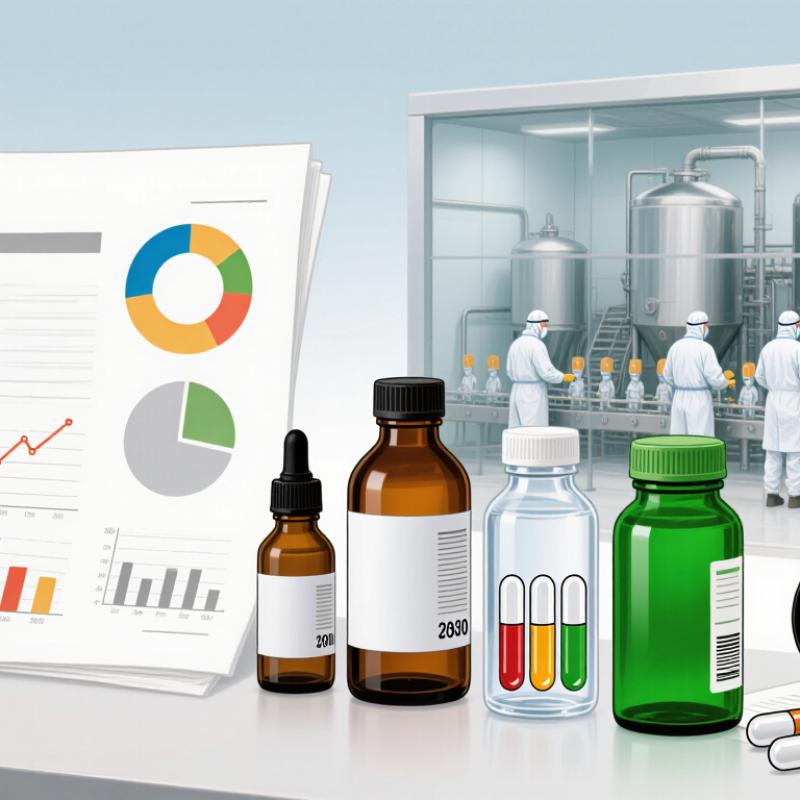
China Best Nutritional Supplements How to Identify Quality?

What Defines a High-Quality Nutritional Supplement from China?

A high-quality nutritional supplement from China should be traceable, tested, and legally documented. The manufacturer should provide a clear production address, batch number, expiration date, and complete ingredient quantities. NMPA registration or filing can support compliance, but it does not replace independent testing. Quality begins before packaging.

The 2023 Council for Responsible Nutrition Consumer Survey reported that 74% of U.S. adults use dietary supplements, showing strong demand for trustworthy products. However, demand does not prove quality. The USP Dietary Supplements Quality Issue Report highlights recurring concerns about contamination, inaccurate labeling, and inconsistent potency. Buyers should request a batch-specific certificate of analysis covering identity, microbial limits, heavy metals, pesticides, and active-compound strength. ISO 22000 or HACCP systems are useful signals, yet certificates can become outdated. A clean label can still mislead.

Tips: Check whether the laboratory is independent and accredited to ISO/IEC 17025. Compare the certificate’s batch number with the package. Inspect testing dates, methods, and acceptance limits. Ask for stability data, especially for probiotics, oils, and botanical extracts. Avoid products promising instant medical results. Factory photos are not evidence. I would also review complaint records and recall information, although public records may be incomplete.

How to Check Ingredients, Formulas, and Nutritional Claims

China Best Nutritional Supplements: How to Identify Quality?

Quality starts with the ingredient panel, not the front label. Check each nutrient’s exact name, chemical form, amount, and serving size. “Vitamin C” is less informative than “ascorbic acid, 500 mg.” Avoid formulas hiding doses inside proprietary blends. Read the excipient list, too. Colors, sweeteners, allergens, and unnecessary fillers deserve attention. Numbers matter. Compare the listed amounts with Chinese nutrition-label requirements, including GB 28050 where applicable. I have found that serving sizes can make an ordinary formula look unusually strong.

Nutritional claims need stricter judgment. “Supports immunity” is not the same as preventing illness. “Natural” does not prove purity, safety, or better absorption. The U.S. FDA states that supplements are not approved for safety and effectiveness before marketing. The Council for Responsible Nutrition’s 2023 Consumer Survey reported that 74% of U.S. adults use supplements, showing demand, not product quality. That distinction is easy to miss. Check whether a claim has a clear evidence level, population, dose, and limitation.

Ask for a batch-specific certificate of analysis, testing date, laboratory method, and contaminant results. Look for identity, potency, microbes, heavy metals, and oxidation data when relevant. A polished certificate can still be incomplete. Verify the laboratory’s competence independently when possible. Traceable lot numbers, sealed packaging, storage instructions, and realistic expiry dates also matter. If the formula promises rapid transformation, reconsider it. My own weak point is trusting clean design too quickly; a plain label with complete data may deserve more confidence.

How to Verify Manufacturer Standards and Product Certifications

When evaluating nutritional supplements in China, manufacturer verification should begin with documents, not polished packaging. Ask for the current manufacturing license, site address, and quality-system certificates. Check whether the certificate scope covers supplement production, not only cosmetics or storage. Verify the certificate number, issuing body, expiry date, and factory address through the issuer’s public register. A scanned certificate can be altered. That detail matters. Look for GMP, HACCP, or ISO 22000 evidence, but do not treat every logo as proof of quality. Standards differ in scope and enforcement.

Request a batch-specific certificate of analysis for the exact product. It should show identity, strength, microbiological limits, heavy-metal results, and testing methods. The laboratory should be independent and preferably accredited to ISO/IEC 17025. Match the lot number on the certificate with the bottle, production record, and shipment sample. Ask who collected the sample. This is often overlooked. A supplier that answers clearly demonstrates stronger process control. Still, paperwork can hide gaps.

During an audit, inspect cleanable surfaces, labeled raw-material containers, pest-control records, calibration tags, and employee hygiene practices. Speak with quality staff, not only sales representatives. Small inconsistencies, such as missing temperature logs, deserve attention. I may be overly cautious, but one unchecked assumption can weaken a careful assessment. Confirm recall procedures, complaint handling, and retention samples before approving production. Quality is easier to trust when records, people, and physical conditions agree.

How to Evaluate Testing, Packaging, Labels, and Traceability

China Best Nutritional Supplements: How to Identify Quality?

Quality begins with evidence, not a glossy bottle. The 2023 Council for Responsible Nutrition survey found that 74% of U.S. adults used dietary supplements. Demand is high, but labels still need careful checking. Ask for independent laboratory results for identity, potency, microbes, heavy metals, and banned contaminants. A credible certificate of analysis should show the batch number, test method, laboratory name, and release date. ISO/IEC 17025 accreditation adds useful confidence. It is not absolute proof.
Packaging can reveal practical weaknesses. Check the tamper-evident seal, lot code, expiry date, storage instructions, and importer details. A scratched or poorly sealed lid deserves attention. Labels should state serving size, active ingredients, allergens, and country of origin in clear language. Avoid vague claims such as “detox” or “instant immunity.” The U.S. FDA explains that supplements are not approved for safety and effectiveness before marketing, so supplier verification matters. Traceability should work backward from the finished bottle to raw-material records, production logs, and test reports. Many sellers show a QR code, but a QR code alone proves little. Scan it, then compare the displayed batch data with the physical label. In practice, documents may be incomplete or translated badly. That is a warning, not a minor inconvenience. Consumer confidence is growing: the 2023 CRN survey also reported that 92% of users considered supplements essential to their health routine. Confidence, however, should follow verification.

How to Compare Safety, Effectiveness, and Overall Product Value

When comparing nutritional supplements made in China, safety should come before price. I check the manufacturer’s legal details, production address, batch number, expiry date, and storage instructions. Clear labeling matters. A reliable product should list exact ingredients, serving size, allergens, and contact information. Vague blends make comparison difficult.

Effectiveness requires stronger evidence than attractive packaging. I look for human studies on the specific ingredient and dose, not just general claims. A certificate of analysis can confirm identity, purity, and contamination limits, but it is not the whole story. Independent laboratory testing is useful when the report matches the batch number. Still, laboratory reports may be incomplete or outdated. That deserves attention.

Overall value means more than a low purchase price. I compare the cost per effective serving, dosage strength, testing quality, packaging, and delivery conditions. Heat-sensitive products need sensible storage and sealed containers. I also consider whether the formula contains unnecessary fillers or excessive nutrients. More is not always better. In one practical review, a cheaper product looked attractive until its small serving size doubled the monthly cost. I would also check evidence for interactions and seek advice from a qualified healthcare professional when medication or chronic conditions are involved. Quality is sometimes less obvious than the label suggests.

China Best Nutritional Supplements: How to Identify Quality?

How to compare safety, effectiveness, and overall product value using a transparent screening framework.

How to read this chart: Safety receives the greatest weight because supplement quality depends first on accurate labeling, contaminant control, and appropriate usage guidance. Effectiveness considers evidence for the ingredient and whether the stated dose is consistent with studied amounts. Overall product value considers serving transparency, practical cost, and formula usefulness. These are evaluation weights, not scores for any specific company or brand.

FAQS

What documents should a high-quality nutritional supplement provide?

It should provide a production address, batch number, expiry date, storage instructions, and complete ingredient amounts. Traceability matters.

Why is a batch-specific certificate of analysis important?

It connects test results to one production batch. The report should cover identity, potency, microbes, heavy metals, and pesticides.

How can I check whether a laboratory report is reliable?

Check the laboratory’s independent status and ISO/IEC 17025 accreditation. Compare the report’s batch number, test date, methods, and limits.

What should I inspect on the ingredient label?

Review each nutrient’s exact name, chemical form, amount, and serving size. Also check allergens, colors, sweeteners, and fillers.

Are proprietary blends useful for comparing supplements?

Usually, they make comparisons harder because individual doses remain hidden. A clear formula shows each ingredient separately.

Do clean packaging and factory photos prove product quality?

No. Attractive packaging cannot confirm purity, potency, or safe manufacturing. Factory photos are only visual material.

How should I judge nutritional and health-related claims?

Look for evidence involving the specific ingredient, dose, and population. “Supports immunity” does not mean it prevents illness.

How can I compare overall product value?

Compare cost per effective serving, dosage, testing quality, packaging, and delivery conditions. More is not always better.

What extra checks matter for sensitive supplements?

Ask for stability data for probiotics, oils, and botanical extracts. Check sealed packaging and suitable storage temperatures. Still, evidence may be incomplete.

When should I seek professional advice?

Ask a qualified healthcare professional when using medication or managing a chronic condition. I may overlook an interaction.

Conclusion

Choosing reliable nutritional supplements from China requires more than comparing prices or attractive packaging. To learn how to identify high quality nutritional supplements, begin by checking whether the ingredients, dosages, and nutritional claims are clear, specific, and consistent with the product’s intended purpose. A trustworthy product should provide transparent formulas, accurate serving information, allergen details, and suitable storage instructions without making exaggerated promises.

It is also important to evaluate the manufacturer’s production standards, quality management systems, and relevant product certifications. Independent testing for purity, strength, contaminants, and microbiological safety can provide additional confidence. Examine the packaging and label for batch numbers, expiration dates, manufacturing information, and traceability details that allow the product to be verified through its supply chain. Finally, compare safety evidence, expected effectiveness, testing transparency, packaging quality, and total value rather than focusing only on cost. A high-quality supplement should demonstrate consistency, accountability, and clear communication from production to final use.

Sophia

Sophia

Sophia is a dedicated marketing professional with an exceptional depth of knowledge about her company's products and services. With a keen understanding of market trends and customer needs, she crafts insightful blog posts that not only inform but also engage readers, enriching the company’s online......